





Metalled
The second edition of The Dictionary of Urbanism by Rob Cowan defines a metalled road as: 'One surfaced in road metal, in a late eighteenth century sense of the word metal, referring to the crushed rock that formed part of the system of building a sealed and waterproof road surface pioneered by the engineer John McAdam. Before that, metal referred to anything useful that had been extracted from the ground. The word comes from Latin metallum, a mine or quarry.'
[edit] Related articles on Designing Buildings Wiki
- Bituminous mixing and laying plant.
- Britain's historic paving.
- Coal holes, pavement lights, kerbs and utilities and wood-block paving.
- Code of Practice for Ironwork Systems Installation and Refurbishment.
- Conservation.
- Floors of the great medieval churches.
- Floorscape in art and design.
- Glossary of paving terms.
- Hazard warning surfaces.
- Highway drainage.
- How to lay block paving.
- Pavement.
- Penarth Alabaster.
- Permeable pavements.
- Road improvement scheme consultation.
- Road paving.
- Types of road and street.
Featured articles
Check out some of the best features and news from Designing Buildings as well as key stories from around the web.

Building Safety Newsletter from MHCLG.
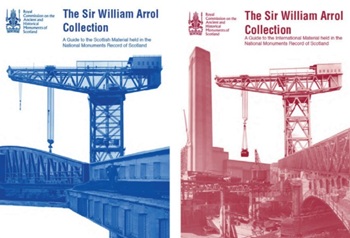
An extraordinary record of steel engineering worldwide.
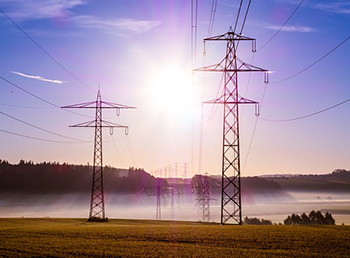
Households living near new pylons to save on bills.

ECA warns growth must not outpace grid capacity or skills.
The role of the client and decision making

CIOB response to built environment professions call for evidence.
Construction's sustainability reporting revolution
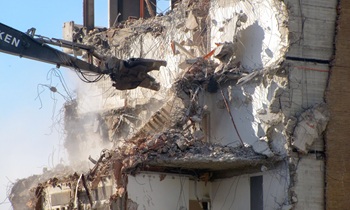
Tracking upfront embodied carbon with digital tools.
ECA welcomes procurement reforms
Public spending must back British jobs and skills.
Campaigning for Edinburgh: the Cockburn Association 1875-2049
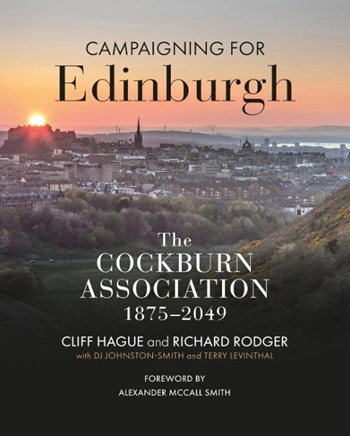
The role of the civic voice in protecting character. Book review.
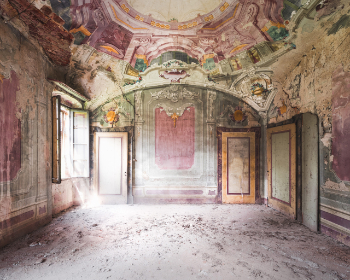
CIOB photography competition is open for entries.
ECA Edmundson apprentice of the year award

Finalists announced.
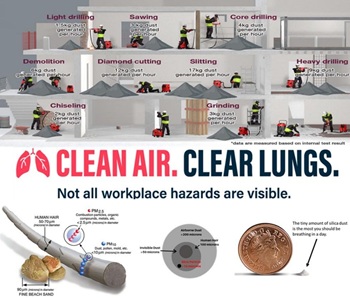
Major new study exposes serious knowledge gaps.
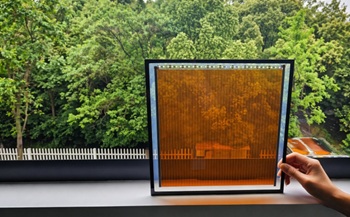
Generating energy from internal light as well as sunshine.